

A Different Kind of Buzz
Shanghai’s WAIC (World Artificial Intelligence Conference) was not what I expected—and that’s exactly why it was worth attending.
While the big-name Western AI companies were noticeably absent, no Microsoft, no OpenAI, the expo halls were packed. Families, students, businesspeople, techies, and curious onlookers filled the venue. It wasn’t a quiet academic crowd. It was vibrant, tactile, and overwhelmingly hands-on.
Hardware Over Hype
If I had to sum up the show floor in one word, it would be: hardware.
AI-powered robotic arms painting calligraphy. Companion robots that purr when you pet them. Smart home panels, drones, rolling assistants, and booth after booth showcasing real, touchable tech. Some of them weren’t quite market-ready by Western standards, but that wasn’t the point.


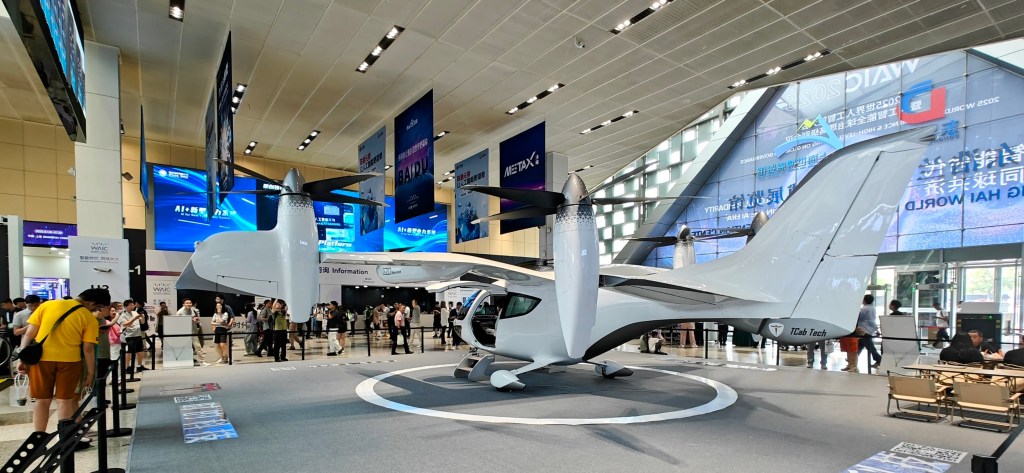
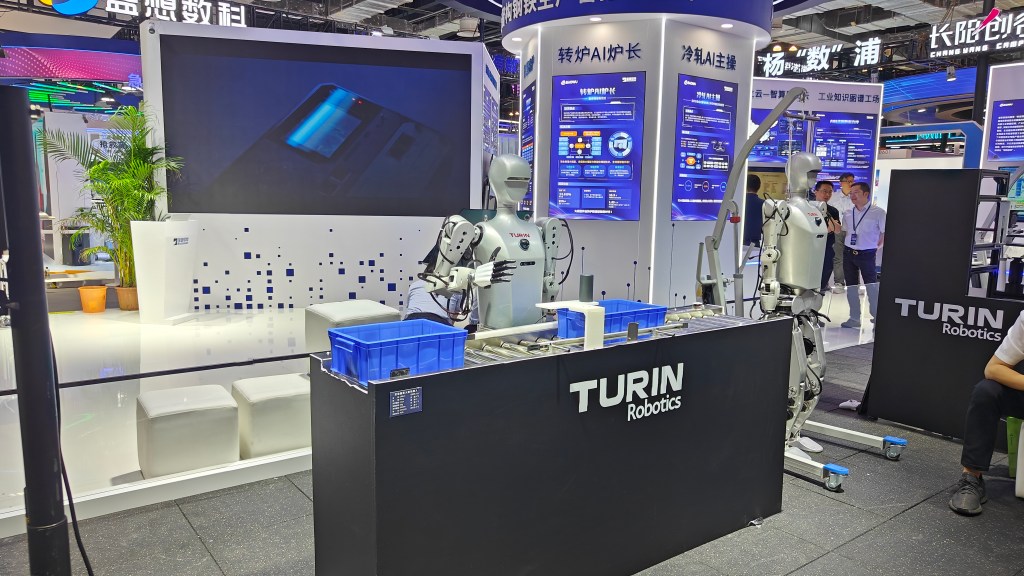
It felt like China’s AI industry is building from the outside in—leading with devices, screens, and physical interaction before fully integrating the kind of backend intelligence we often take for granted in U.S. platforms.
Three Trends That Stood Out
1. 🧸 AI Companions and Emotional Robotics
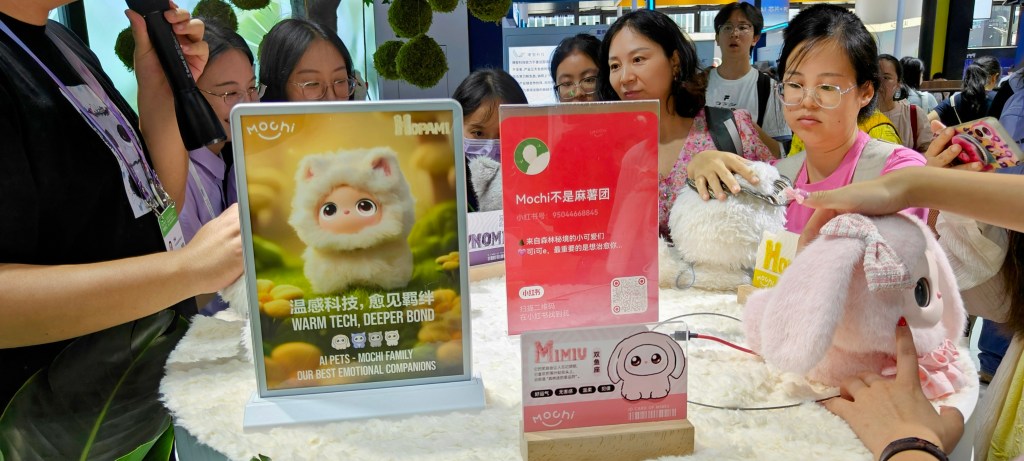
From the Mochi Family to plush AI rabbits that blink and respond to touch, there’s a massive push toward emotional tech. These aren’t just toys—they’re positioned as therapeutic companions.
2. 🧠 Enterprise AI with a Local Face
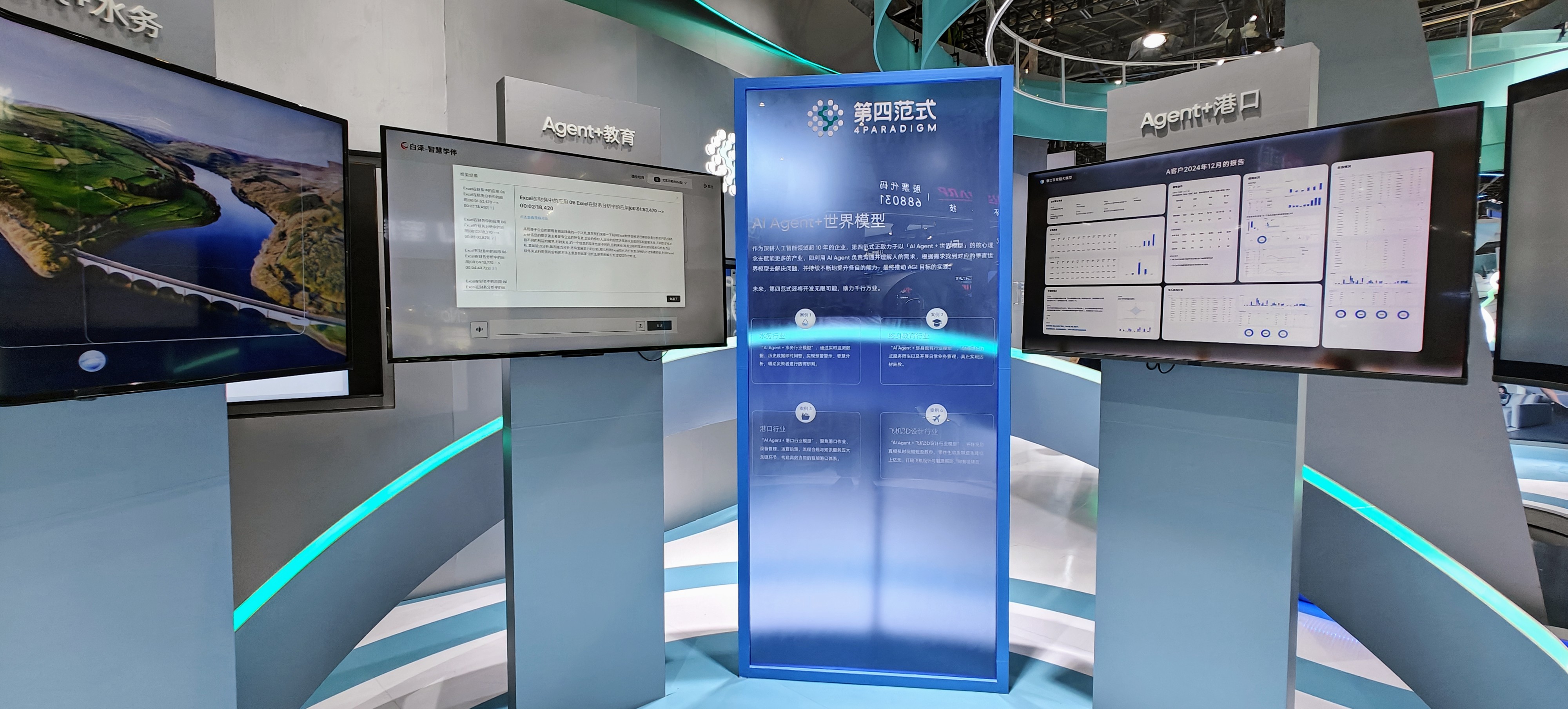
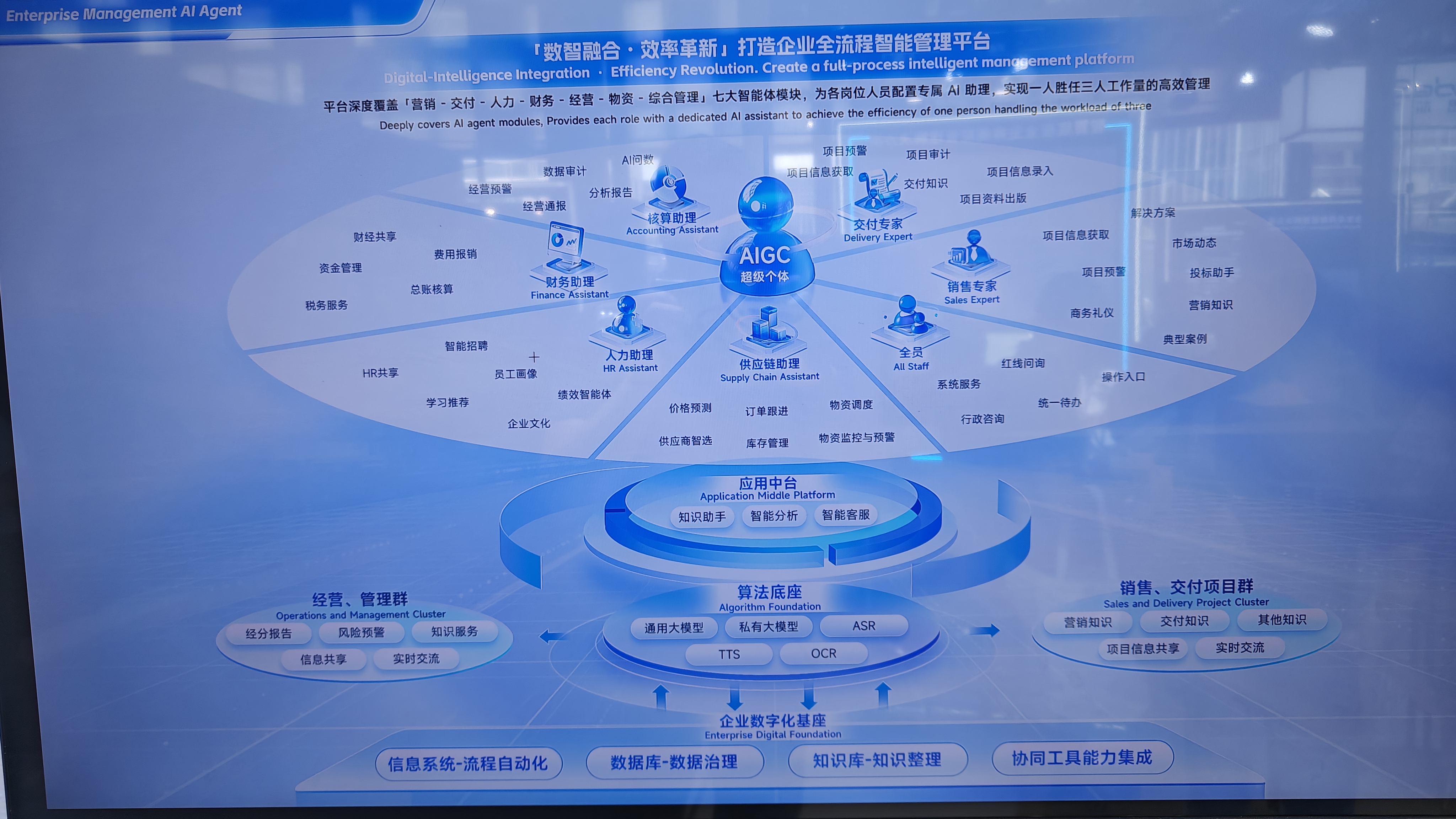
Companies like 4Paradigm stood out with presentations on “World Models + AI Agents,” showing how enterprise AI is evolving in China. The emphasis was less on sleek branding and more on sector-by-sector deployment: finance, retail, manufacturing. The one notable was seeing an Amazon section on their Agentic AI.

3. 👨👩👧👦 A Family-Friendly Conference
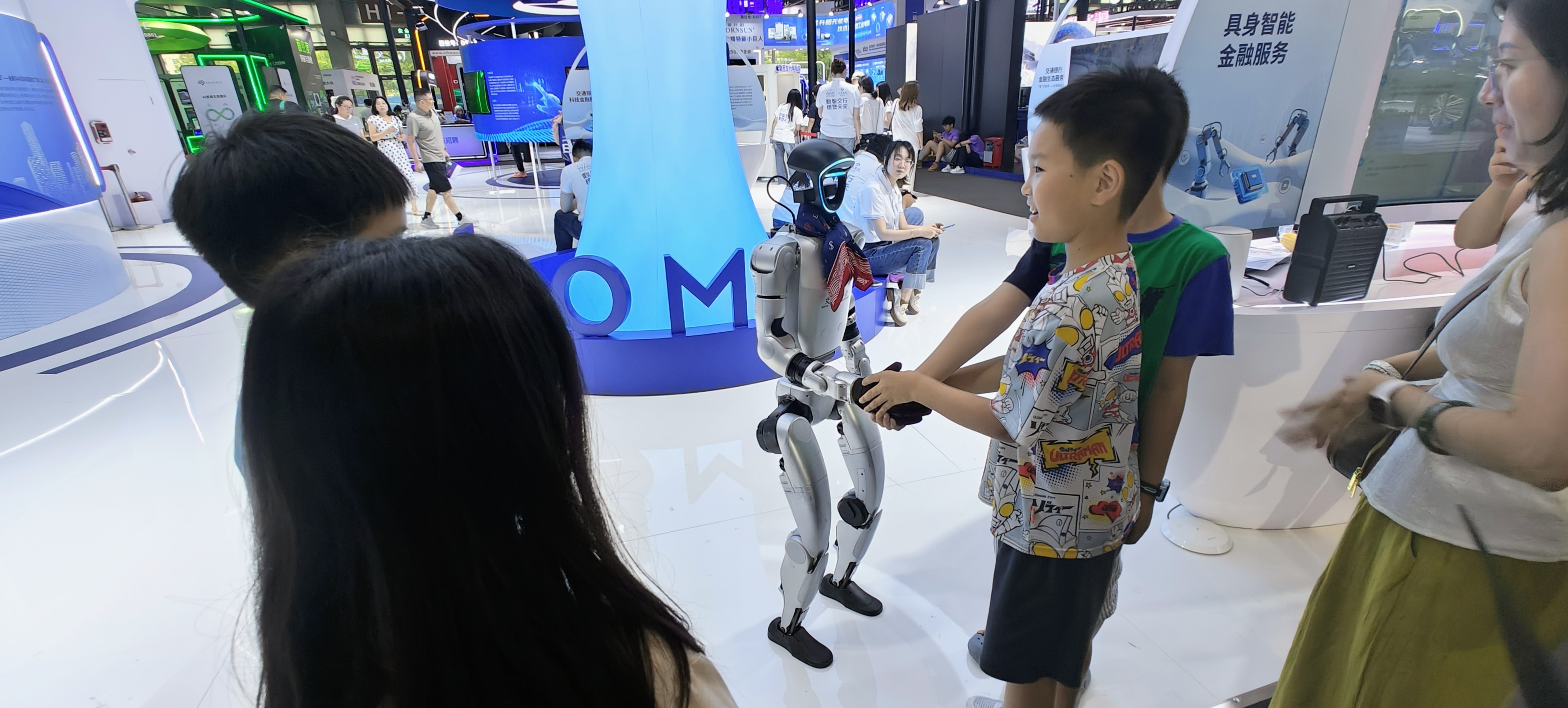
Unlike most Western tech conferences, filled with business types and techies and little in-between, the WAIC had a decidedly different feel and audience. I saw kids trying out robots, parents chatting with booth staff, and even AI trivia games on the main stage. This wasn’t just for techies—it was for everyone.
Missing Voices, New Players
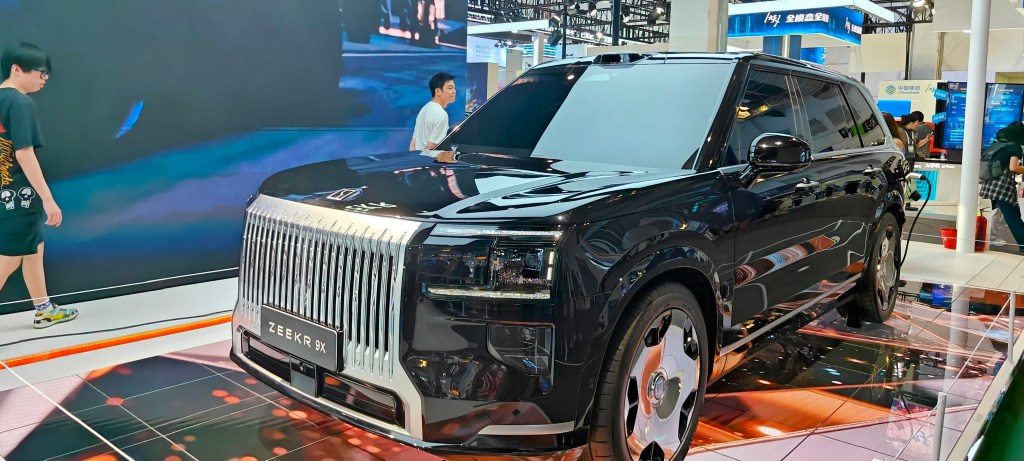
What was also striking was who wasn’t there. No NVIDIA. No Microsoft (that I saw), No IBM, No InfoSys or any of the big Indian tech companies. No Anthropic. No Meta. This wasn’t a global summit, it was a window into China’s internal momentum, with companies like Tencent, iFLYTEK, ZEEKR, and dozens of emerging players showing what they’re building and how they see AI shaping their world.
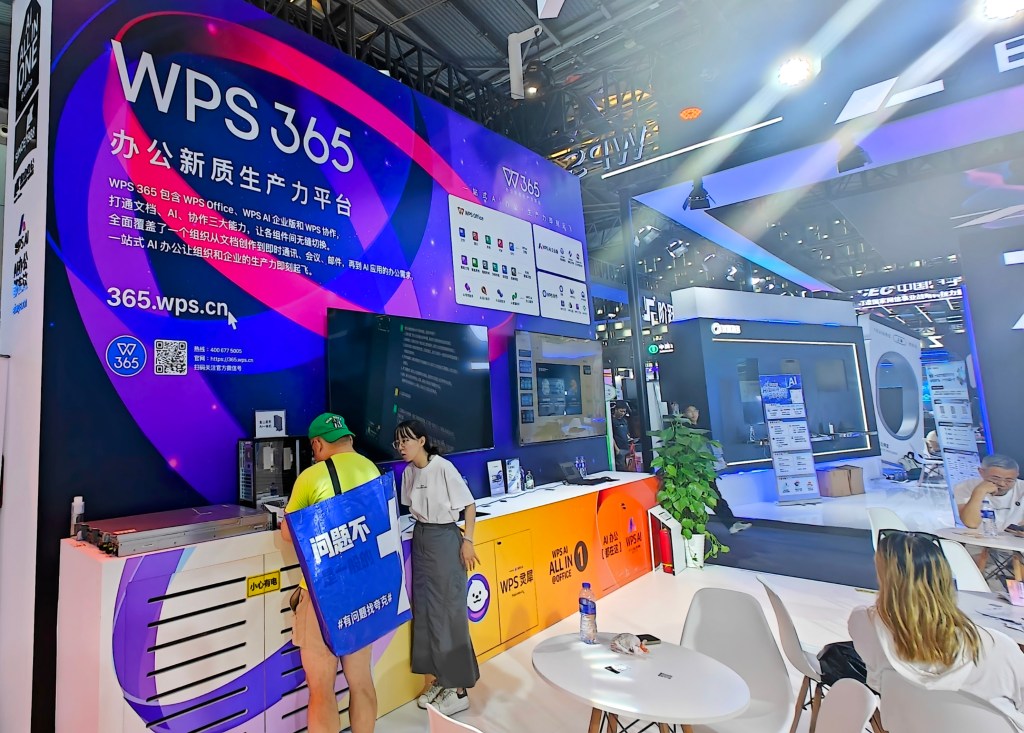
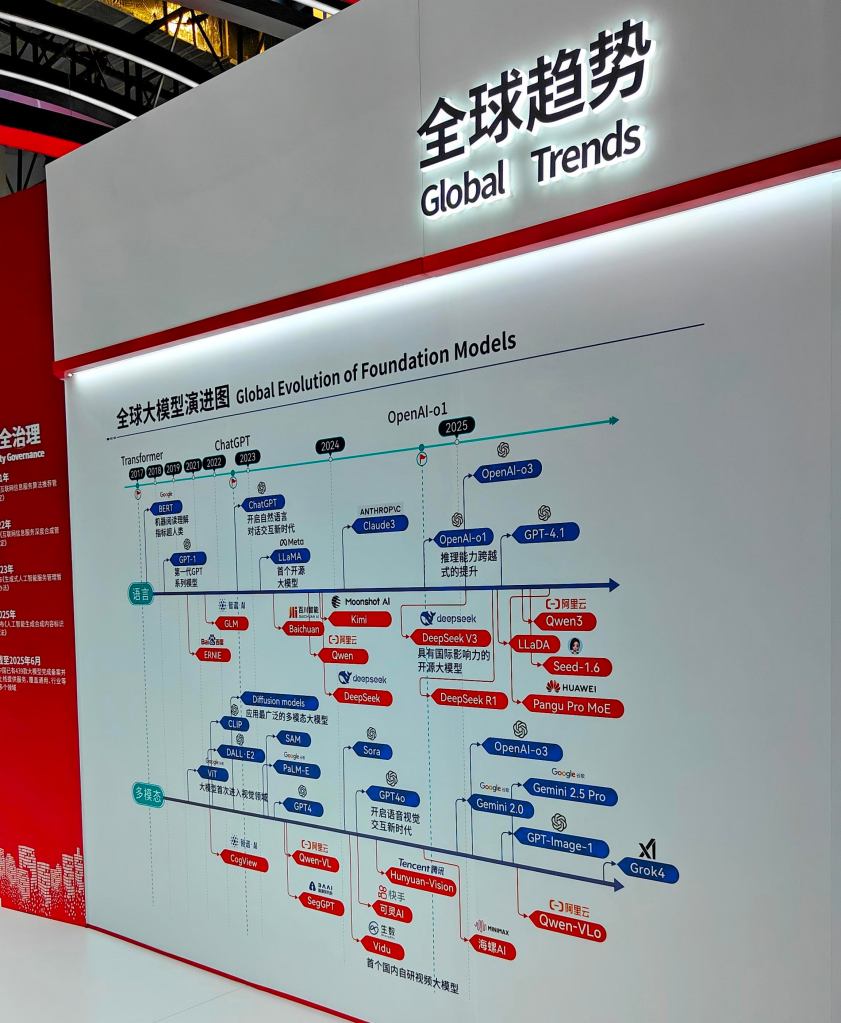
It was clear that many of these companies are not yet focused on international audiences. Branding and English support were inconsistent at best. Some branding, like WPS 365, a Microsoft office like suite of tools, would likely face legal challenges outside of China. Emblematic of one of the core issues between the east and west. But the ambition was unmistakable.
Reflections: A Market in Motion
Walking out of WAIC, I couldn’t help but feel like I had just witnessed the early draft of something much bigger. China’s AI industry is still finding its voice—but it’s building at speed, and with a different kind of confidence. Less polish. More presence.
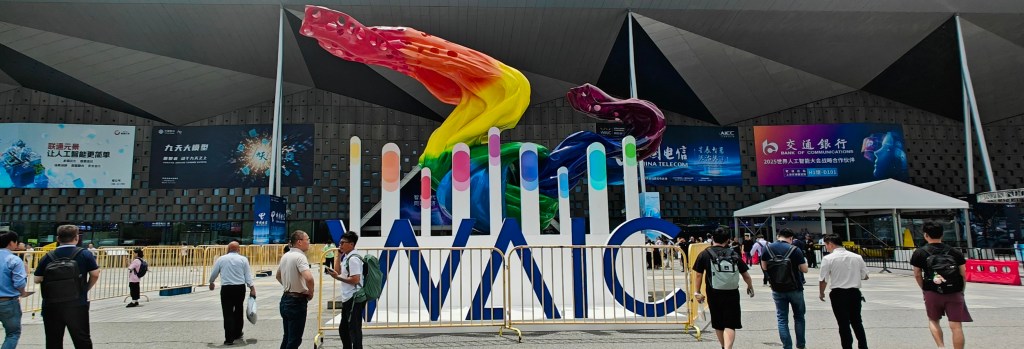
And as I would discover later that evening, the story of AI in China doesn’t end on the showroom floor—but that’s a tale for the next post.
 Echo From The West