
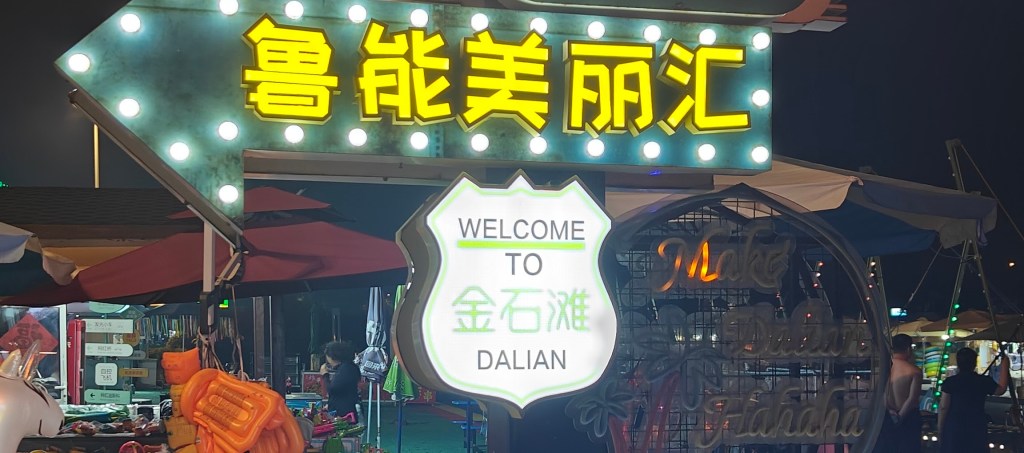
Since arriving in China earlier this month, I’ve been gradually finding a new rhythm, one that’s not just about location, but mindset.
One of my first priorities was getting my remote setup in place. Back in the States, I spent weeks researching and testing how to stay connected and secure from abroad, not just casually browsing, but working with U.S.-based tools, platforms, and systems.
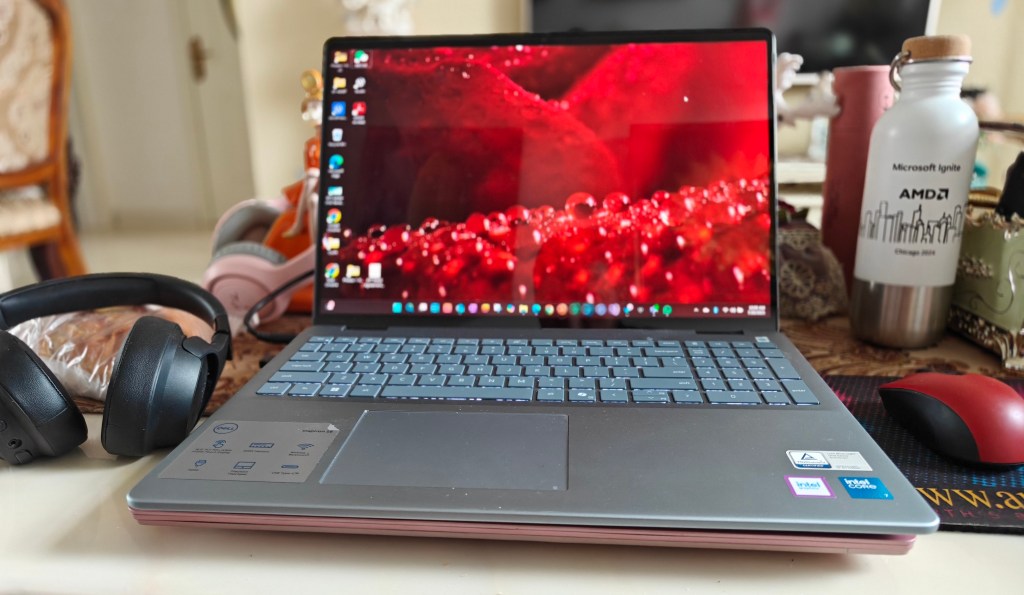
When I finally got everything humming, secure access to my digital workspace, reliable tools, smooth video calls, I literally did a small victory dance in the hotel lobby I was working from. It was getting late at the Hilton, Xue was studying, and I was making what I hoped would be the final tweaks to my setup. I couldn’t help but feel a surge of pride. The tech worked! I was in. I was home, digitally, at least. I took a screenshot and sent it out like a trophy. I’m still making tweaks and fixing things, replacing a router to get faster speeds, troubleshooting updates, but I’m learning the tricks step by step.
Jet lag hits differently going West to East. For me, the adjustment to China’s time zone has always been smoother than the reverse. Coming east, I always find myself waking early and slowly pushing that back as I adjust. That’s been a blessing for overlapping with U.S. calls. It’s helped me ease into a hybrid routine, part U.S., part China, and that early morning clarity has been a secret weapon for productivity.
I even took a call with my partner the other day after finishing a McDonald’s breakfast (what can I say, it feels like home!) and heading toward a local bakery. It was the heat of the afternoon, and I quickly had to find shade while walking, a whole other story, ha-ha, but there I was, standing in a shaded walkway on my way to get bread, casually discussing AI platform positioning and go-to-market plans.
That’s the kind of contrast that makes working abroad feel surreal and real at the same time.
Here’s the ironic part: I’m finding myself more focused, more productive, and more emotionally present than I’ve been in years. It’s not about China itself, it’s about the shift. The emotional burden of being apart, the weight of uncertainty, the strain of waiting, that’s been lifted.
Yes, I still miss my daughter deeply. I miss my parents, and the opportunity to see my son and my coming grandson, even taking care of Kellie, my ex, I worry how she’s doing. And of course, I miss my daily companions, my dogs, Sadie and Lily. They were my grounding force, giving me purpose on even the most chaotic days. Their need for attention, exercise, and comfort gave me someone to give to, and that giving held me together more than I ever realized.
Now they’re doing the same for my daughter, and that’s how I choose to see it. We all have our roles.

As someone naturally a bit introverted, I’ve been surprised by how nourishing this new pace is. Without the constant pressure of instant replies or impromptu calls, I’ve found something rare: uninterrupted time to think. To plan. To go deep. Here, I get to process before responding. Reflect before acting. Strategize with clarity. And that’s made my work better — and more fulfilling. It might be one of the greatest gifts this move has offered, even if I wouldn’t necessarily recommend relocating halfway across the world just for better focus, ha-ha.
There’s still a lot to figure out. My focus now is on helping grow an AI platform that’s pushing the edge of decision intelligence. As one friend put it, I’m about to go on the “P&E Trail” — Private Equity — helping shape the vision while preparing for the next phase of investor meetings. If all goes well, some of those meetings may even bring me back to the U.S., not for visa runs, but to present a story worth investing in.
What excites me most about working from China, beyond the clarity and focus, is the firsthand exposure to AI in action here, while still staying in sync with developments in the U.S. (no easy task, it’s moving so fast). We often hear debates about who’s ahead, the U.S. or China, but being here lets me witness more than I ever could from afar. Not everything, of course, but enough to see how AI is being implemented in practical, everyday ways. Robots delivering coffee and meals? Normal. Not novel. It’s not innovation for show — it’s just part of life. Like taking the elevator instead of the stairs.
If there’s one thing I’ve learned, it’s that sometimes you have to go far away to get closer, to clarity, to purpose, and maybe even to yourself.
 Echo From The West